


 All Categories
New
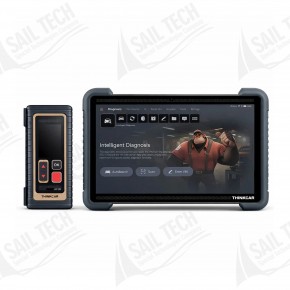
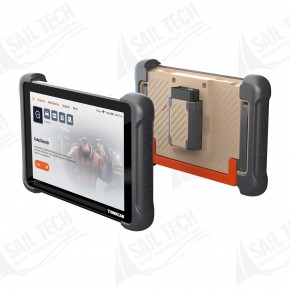


Diagnostic Tools are the devices that read and interpret the data coming from the control units such as engine, abs and gearbox of vehicles with today's control units. Since it is not possible to individually control the complex sensor structures in all motor vehicles using up-to-date engine technology, including passenger cars, heavy vehicles, and marine series, fault detection devices interpret the data coming from all electronic parts of the vehicle, especially over can-bus lines. The most important feature of these structures is that the system also has a diagnostic communication line. In this diagnostic communication line; It is designed to let us know if there is a problem in the channel where the live data comes from, or if there is irregularity or over-decrement in the incoming data. All of these features make up a diagnostic tool.
In addition, today's advanced engine technologies allow the user to configure the engine, comfort, driving, qualities according to himself. This process is called parameter substitution. Thanks to these operations, you can change the characteristics of many features defined in your vehicle (headlight strategies, common-rail pressure values, safety options...). It is possible to carry out all these operations thanks to the mentioned fault detection devices.
At the service point, after part replacements, in new era vehicles that use part identification technology to prevent the use of faulty and sub-industry parts, you must introduce the part to the engine control unit after part replacement, this process is called adaptation. These operations are again carried out over the can-bus line and are made by means of a fault detection device.